Thursday, September 22, 2011

Cancer Prevention in Breast Milk

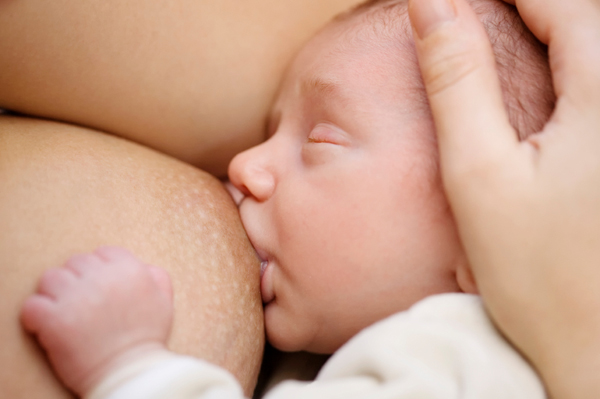
As you have heard me say, time and time again, breast milk is a powerful fluid. One that is unmatched by man. There are many properties in breast milk that do incredible things and many are still being studied for their wondrous capabilities. Did you know that babies who are breastfed are less likely to fall ill from childhood cancers and mothers who breastfeed are less likely to suffer from breast, ovarian, cervical and uterine cancers?
Breast milk contains cells HAMLET cells (Human Alpha-lactalbumin Made LEthal to Tumour cells) which are composed of proteins and fatty acids that directly attack cancer cells and not healthy cells in babies! The linked article is one of many research articles out there, but I found this one to have the most medically detailed explanation of the process and the benefits.
http://www.acsu.buffalo.edu/~andersh/research/milkcancer.asp

Microscope images that show HAMLET's interaction with biological membranes. Using a red, fluorescent substance that shows the location of HAMLET, the researchers can clearly demonstrate that it binds to the cell membrane of a tumor cell.
(Photo Credit: University of Gothenburg)

Mothers who breastfeed their infants also reap the rewards as studies show that the longer a woman breastfeeds the greater the reward. In fact, those who breastfeed two years or longer reduce their risk by 50%. Women who breastfeed have lower levels of estrogen, reduced amount of ovulation and may be less likely to store carcinogens. All of these factors contribute.
http://www.breastfeeding.com/all_about/all_about_breast_cancer.html

All in all, breastfeeding continues to show us its amazing qualities and we should all be supportive of breastfeeding, especially for extended periods of time. The following link is a Canadian Poster displaying the ingredients found in both breast milk and in infant formulas. I'm always in awe of how many things are in breast milk vs formula. It goes to show that man has a long way to go before they can make anything even close enough to mimic breast milk. Breast milk will always be best and even though I like the slogan "breast is Best", I believe that breast is normal and that infant formula is inferior.
http://www.bcbabyfriendly.ca/whatsinbreastmilkposter.pdf

More to come.... How infant formula in inferior and is in fact harmful to your baby's health. Stay tuned!

Thursday, September 15, 2011

Breast milk...not just for feeding your baby.

Did you know that breast milk has several other uses? I never had a clue that these other uses existed nor did I know how powerful the stuff could be. Not only does breast milk have superior powers when feeding your baby but you can also heal some other common ailments. Check em out!
http://bmsg.tripod.com/breastmilkuses.htm


In the UK it's not common practice to apply erythromycin ointment to a newborns eyes as it is here in the US and Paige developed a little bit of a "crusty eye". Little did I know that my breast milk would help to heal her conjunctivitis. I began applying it straight form my breast to her eye and it cleared up in a couple of days!
I also posted a blog not too long ago about breast milk soap. It was definitely a new one for me and I have yet to make any, but I can see the benefits. I'd be willing to bet that it's great on eczema.

On a side note.... what do you use to hydrate your babies skin? Most products out there, Johnson's and Johnson's (cough cough) can be very drying to their skin. Have you ever used baby oil on yourself? If you're like me, at a once younger age, you may have tried using it while sunbathing. What I remember most is how greasy it was and how it sat on my skin instead of soaking in. This is because its made of mineral oils and they aren't designed to seep into the skin. Plus they usually contain perfumes which have alcohol thus drying the skin out even more. One of the best things, and very inexpensive, is edible grade oils. Try sunflower, grape seed or light olive oil. In fact the hospitals in the UK use olive oil regularly in the NICU for all babies! We have used Olive oil since Paige's birth and she has never had dry skin and she never smells of olives :) Below is some steps on how to use olive oil while giving infant massage. Great bonding opportunity for dad by the way!!!
http://www.livestrong.com/article/220541-how-to-use-extra-virgin-olive-oil-on-a-babys-skin/

Thursday, September 8, 2011

Heard of One World Birth?

A new website just went live on September 1st 2011 that completely encompasses everything I stand for! Check out http://www.oneworldbirth.net/. The website is chock full of great videos and 60 second clips all about birth across the world! Each month they plan to highlight a different topic. This month features issues surrounding The Big Picture of Birth and next month is The Love Month, which I'm especially excited about as it discusses the love hormone, oxytocin.
This is just one of the many clips already on the website. I'm so happy that there is this resource available. I hope to continue to post highlights. Check it out further...blog it, share, it and even donate to keep the site and all of their work going!

Friday, September 2, 2011

To Cloth or not to Cloth?... diapers that is

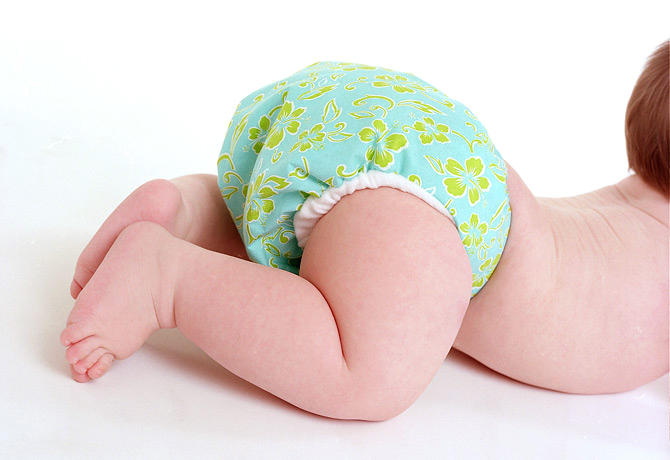
When becoming a new parent there are many choices to be made, diapering is one of them. Cloth diapers aren't what they use to be. Long gone are the days of safety pins and burp cloths! Now they are designer ensambles. There are hybrids in which you can use cloth or a biodegradable/disposable insert. There are some with Velcro or snap closures. They come in different sizes or an All-in-one that adjusts to the size of your baby. Oh, and if you want color the possibilities are endless.


Think about it... your baby is in a diaper, day in and day out, for the most part of two years! What do want lying that close to your babies skin? What is in disposable diapers vs. cloth? Plastics, chemicals, sodium polyacrylate (absorbent gel) and dyes are in disposable diapers and may pose a risk to your infants health.
The following is an excerpt from the linked article. http://www.thenewparentsguide.com/diapers.htm
"Some concerns about disposable diapers have been about dyes, sodium polyacrylate (the super absorbent gel), and dioxin, which is a by-product of bleaching paper.  Sodium polyacrylate has been linked in the past to toxic shock syndrome, allergic reactions and is very harmful and potentially lethal to pets. Some dyes and dioxin according to the EPA (Environmental Protection Agency) is known to cause damage to the central nervous system, kidneys, and liver. The (FDA) Food & Drug Administration has received reports that fragrances in disposables caused headaches, dizziness and rashes.  Problems reported to the Consumer Protection Agency regarding disposables include, chemical burns, noxious chemical and insecticide odors, babies pulling disposables apart and putting pieces of plastic into their noses and mouth, choking on tab papers and linings, plastic melting onto the skin, and ink staining the skin.  Plastic tabs can also tear skin if the diaper is not properly put on the baby."

Also be diligent about what cloth diapers may be exposing your baby to. Is the cloth made from bamboo or cotton? Is it organic? Do you place a liner in between your baby's skin and the diaper to collect solids?
I have also read that there are new studies linking male infertility to exposure to disposable diapers as they contain heat more efficiently thus raising the temperature of your little man's testicles! I know ... Alarming!


What about the effect disposable diapers and wipes have on the environment. Diapers supposedly take 500+ years to biodegrade in our landfills. Consider an infant using about 6 diapers a day, sometimes more, for two+ years. That's approximately 2,190 diapers a year going out into the environment! Outrageous! Think about the money saved if you don't have to buy all of those diapers :)

Has anyone read the diaper dilemma published by Mothering Magazine? (I have searched for a link but I believe there is a copyright on it. I have a downloaded copy but unable to attach it to the blog. If you are interested in reading it email me and I will send you a copy). Its a lengthy one but a very good resource for those of you who have decided to use cloth diapers. bumGenius One-Size 4.0 Cloth Diapers

We decided to use them, prior to Paige being born, and promote their use for the health costs and for the future of our environment. The costs saved by using cloth diapers for all of our future children also weighed in on our decision :)
We initially used BumGenius http://www.bumgenius.com/, which I still believe is a great product, but we have since switched to gDiapers http://www.gdiapers.com/. The article discuss the use of the gDiaper biodegradable inserts and we have since stopped using them. I must admit, I appreciated the convenience of them, but agree that using cloth is much better on the environment and our wallets. I also have several friends using Flips http://www.flipdiapers.com/ and they come highly recommended. There are many more brands available and here is a great resource full of mom generated forums, http://www.diaperswappers.com/

Overall, cloth diapers aren't what they used to be and can be as convenient as disposable. Plus your not contributing to the overwhelming pollution thus creating a better future for your children and their children, To me it's a no brainer and it's well worth the investment knowing your baby is a green baby!

Thursday, September 1, 2011

Weaning to solids? How long to exclusively breastfeed? New Evidence found!

As I was scouring the Internet looking for studies supporting exclusive breastfeeding till 6 months of age I came across an article posted in January of this year that goes against all my prior education. A medical University in the United Kingdom found that delaying solids till 6 months may be harmful to infants as the they may become anemic and at increased risk for allergies and celiac disease.. http://www.guardian.co.uk/lifeandstyle/2011/jan/14/six-months-breastfeeding-babies-scientists.
Breast milk has been previously found to provide all the essential nutrients until 6 months when the baby's iron stores begin to deplete, thus requiring the supplementation of iron rich foods. All of my education supports this data and after finding this article I, and many other mothers, are left confused. What is best? The World Health Organisation, UNICEF and American Academy of Pediatrics still stands by the age of 6 months being the ideal age to wean an infant to solids.
http://www.who.int/nutrition/topics/exclusive_breastfeeding/en/
http://www.aap.org/breastfeeding/faqsBreastfeeding.html#10
"The AAP recommends that babies be exclusively breastfed for about the first 6 months of life. This means your baby needs no additional foods (except Vitamin D) or fluids unless medically indicated. Babies should continue to breastfeed for a year and for as long as is mutually desired by the mother and baby. Breastfeeding should be supported by your physician for as long as it is the right choice for you and your baby."

The following is a link of 6 reasons to delay the introduction of solids. The most substantial one being the maturation of the infants intestine's and how allergens can be introduced into the bloodstream if the gut is still immature, ie. before 6-7 months of age.
http://www.askdrsears.com/topics/feeding-infants-toddlers/starting-solids/6-reasons-delay-introducing-solid-food

In a world of increasing allergies, especially peanut, I'm left pondering the efficacy of this study. The pendulum has certainly began to swing from delaying the introduction of peanuts till 2 years of age to introducing it before the age of one as peanut allergies may be the outcome if delayed for too long. So, maybe the answer is weaning to solids at 4 months? I'm not entirely sold. Until more substantial bodies of evidence arise I will continue to promote exclusive breast feeding till 6 months as the benefits for infants and mothers still prevails.
Breast Feeding

Saturday, August 27, 2011

Eating for two? Some things to think about.

So, you're finally pregnant and you've dreamed of the day that you get to throw all your dieting cares out the window. But did you know that what you eat while you're pregnant will shape your child's eating habits for years to come? The amniotic fluid that surrounds and cushions your baby is quite dynamic. Your baby constantly swallows this fluid and what's really crazy is that the fluid will taste like what you eat! By 21 weeks gestation your baby's taste buds have formed and can begin to taste what you put into your body. Studies about flavored amniotic fluid have been around for years but this one just popped up, http://www.npr.org/2011/08/08/139033757/babys-palate-and-food-memories-shaped-before-birth.
So, while your sitting there scarfing down that third donut or drinking your second can of coke think to yourself... this is what my baby is tasting and my baby may be predisposed to liking all of this sugary food for the rest of his or her life. If I try to eat more fruits and vegetables my child may be a less picky eater, thus building a good foundation of healthy habits and making my life easier down the road :)


Whats also interesting is that what you eat doesn't stop affecting your baby once he or she is born. Your breast milk will also have the flavor of the foods you love to eat. http://www.telegraph.co.uk/science/science-news/8335564/Flavours-in-mothers-milk-may-determine-the-foods-children-like.html Babies that are fed formula are exposed to only one flavour day in and day out for six months straight. This certainly doesn't help to develop their taste buds and may lead to a picky eater. This is another great reason to breastfeed your baby. Not only will you both reap the benefits but you will also have a less picky eater once you start to wean your baby to solids at 6 months.


Moral of the story... watch what you eat. Being pregnant doesn't give you the excuse to eat whatever you want. Its always wise to maintain a healthy diet for the development of your child and it shows that what you eat affects your child in more ways than one. Here is a good reference for your diet while pregnant http://www.webmd.com/baby/guide/eating-right-when-pregnant

Oh, one more thing... when you do start to wean your baby to solids it generally takes them six to ten times before they begin to develop a liking to the new flavors. So be persistent... it will pay off!

Sunday, August 21, 2011

Home Births... on the rise!

Have you ever pondered having a home birth? Have you ever considered a birth outside of the hospital setting? Maybe a birth center? What about who is attending your birth? Certified Nurse Midwife or Obstetrician? There are so many things to consider when bringing a life into this world. I hope to, at the very least, highlight a few thinks to think about.

A recent study published in May 2011 indicates a 20% increase from 2004 to 2008. http://articles.latimes.com/2011/may/20/news/la-heb-home-births-increase-20110520
A great website to check out for questions about maternity practices is http://www.childbirthconnection.com/.


Now, I know home births aren't for everyone. In fact many people I tell that we're planning a home birth for our next child think we're down right crazy! The rise in home births shows that I'm not alone. The statistics show that we're not completely insane. What drives our decision is the lack of options available to us in the hospital setting. We had our daughter in a birth center in London and were able to have an amazing water birth. Whatever you decide, hospital, birth center, home birth, midwife or OB make sure its what makes you comfortable. There is nothing worse than a laboring mother in unecessary stress impeding the birth process leading to unwanted procedures and complications. The upmost importantce is healthy moms and babies!